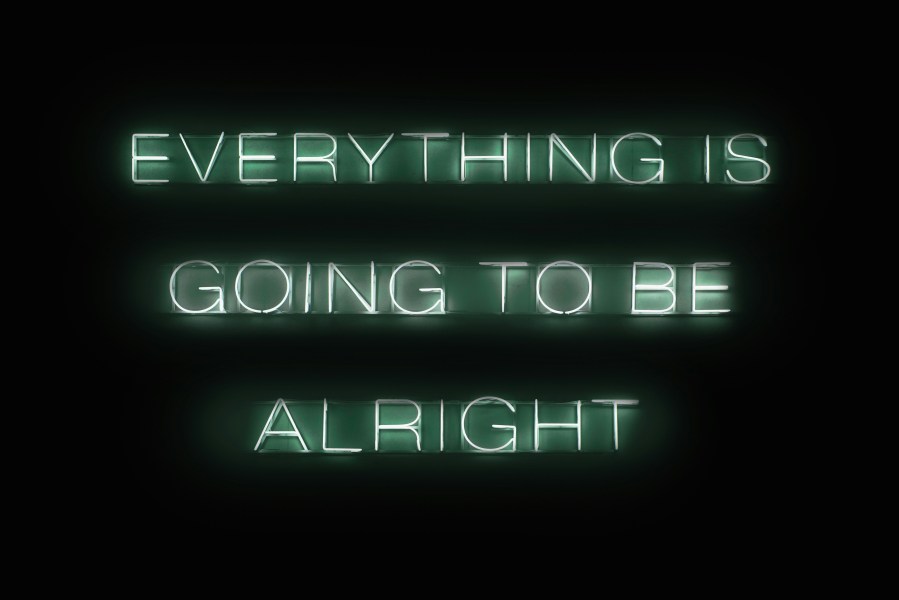
Want to know a secret? It’s not always about you. That’s a hard pill to swallow, I know. But, when it comes to my own writing, that has been one of my biggest takeaways from my internship with Santa Fe Writers Project: As a writer, it’s not always about you. I know how it feels when you’ve poured your time and energy, blood, sweat, and tears into a manuscript or an essay or a poem and then you send it out into the world, baring your soul for all to see—well, at least for the editors to see. You know there’s always a chance of rejection, but surely no one can pass on this masterpiece you have created. But then it happens. You get that email that just says, “No, thank you,” or “We’ll have to pass,” or some other form of the dreaded rejection—no explanation, no feedback, just “no.”
We’re human. Rejection hurts, and it’s easy to instinctively take it personally. If I’m being honest, it’s not the “no” that really bothers me. I want to know why; I want to know what I did that made the editor reject my work.
Was it too long?
Too short?
Not detailed enough?
Too many details?
Maybe I just suck at writing, and I should give it up for good.
Those are the thoughts that run rampant in my brain every single time I am rejected, because I assume that it is about me. But what I’m coming to understand through my time with SFWP, and also from my work on Multiplicity Magazine a couple of semesters ago, is that the rejection is rarely about the writer and sometimes it’s not even about the writing itself. Maybe they’ve already accepted a different piece, and yours is too similar to the one they’ve already said “yes” to. Maybe the writing is good but not developed enough just yet. Maybe there’s just not enough space in the magazine. Many lit mags have a set number of essays they can publish in each issue, and there’s literally not enough room for everyone when only eleven essays are to be chosen from over two hundred submissions. I’ve had to pass on some really interesting and beautifully written work at both SFWP and Multiplicity. Sometimes, it just comes down to what the editor is looking for, and as a writer, you’re not always going to know what that is. Hell, sometimes as an editor, I don’t even know what I’m looking for until I find it. Editors are human, too.
Publishers and editors and writers have different goals, but ultimately, I think it’s safe to say that most of us want the same thing—to succeed and help others succeed. People go into the fields of editing and publishing to help writers get their work out there. I’ve never met anyone in the publishing industry who wanted their writers to fail. They know you take the rejections personally, but they receive so many submissions, it is sometimes impossible to give feedback to every writer. What I’ve learned, and am still learning, is that “no” sometimes just means “not right now” or “not here but somewhere else.” With this knowledge in hand, I have started looking at my own work after it’s been rejected and really thinking critically about it.
How can I make this piece better?
Did I submit this piece to the right place?
Is there a glaring error I’ve overlooked?
Did I let anyone else read it and offer feedback before I submitted?
The “no” is not always about me, so rather than taking it personally, I’m learning to take it as an opportunity to improve and grow, something we can always do as writers. And as humans.
Photo by Viktor Forgacs on Unsplash
 Robyn Weaver